

“Down. Stay. OK!”
Dogs lie down and stand up so many times a day, but that simple movement can be adapted to efficiently work many areas of the body.
Picture a dog lying down from a sitting position. First, they move the rear part of their body down to the ground and then they use their forelimbs to walk the front of the body down towards the floor. There are not many muscle groups engaged during this movement…basically, the shoulders are working as they move down and in pushing themselves back up into a stand.
Now imagine the action of a “folding down”. This is when the dog lies down in the “sphinx” position with the knees and feet  track forward while the hips are tucked in close to the body.
The dog starts from a standing position with the rear feet a natural distance from the front feet. The back is flat with no arch (if that is the dog’s natural topline) and the head is in a neutral position. As the dog moves into the down position, there is no movement of the front and rear feet. When moving back into the standing position, all four feet stay in place. No movement. Check out this video of a folding down in slow motion…
Throughout their lives, dogs carry most of their weight on their front ends. While the folding down/stand is a great exercise for all dogs, it is especially valuable as dogs reach their senior years. By utilizing the folding down and stand, the core and spinal muscles are strengthened while we are encouraging the dog to efficiently use their shoulders and hips. This type of down/stand not only strengthens the smaller muscle groups but it also teaches the dog to push themselves up with their rear legs.
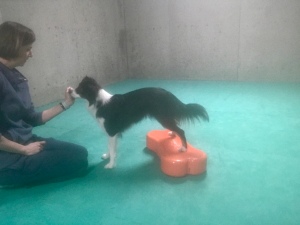
When sets and repetitions are added in, the folding down/stand is a strength training exercise on its own. It can also be made more challenging, for example, if we raise the front or rear feet, add instability equipment, or other changes such as holding one foot as the dog moves into position.
Once this skill is taught it can easily be added in throughout your day. Try asking for 3-5 down/stands before a meal. How about asking for one or two before you throw their favorite toy? Or maybe pause during a walk or hike and ask for a couple. While this exercise is only part of a fitness plan, before you know it, you’ve worked them into your day without looking for any “extra” time for fitness training…HURRAY!



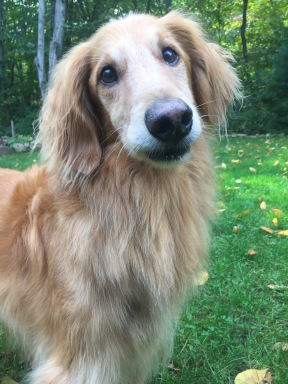
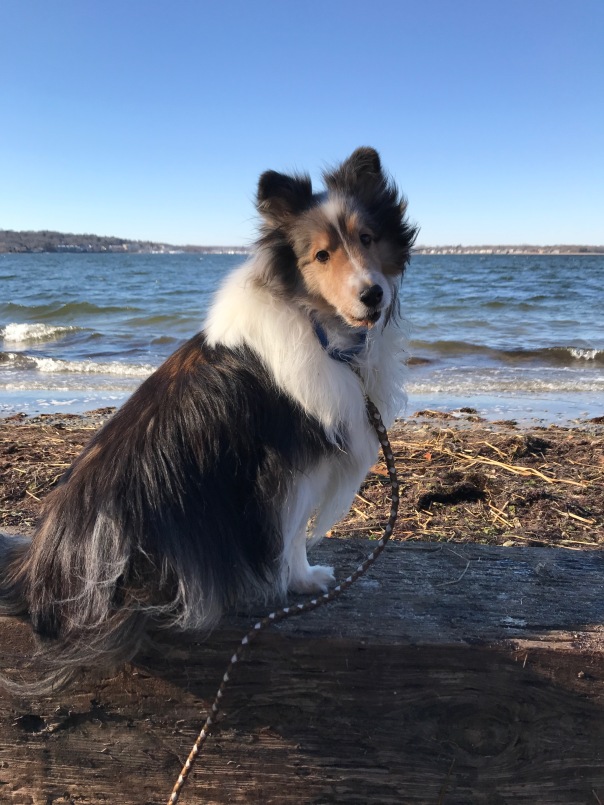

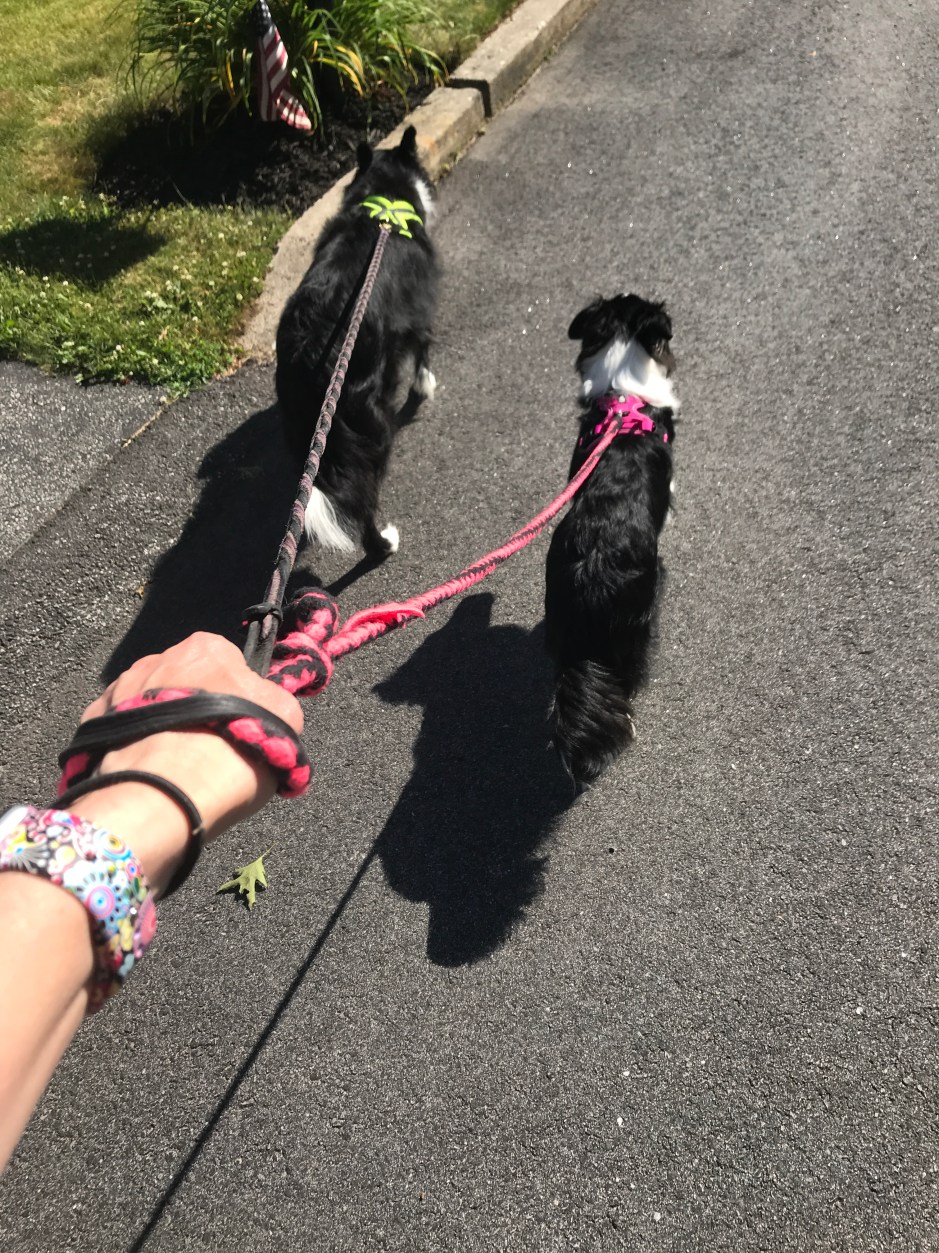

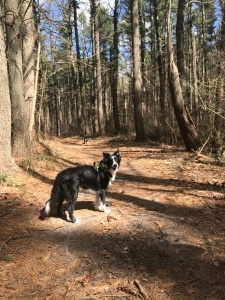 One way many of us enjoy our time while conditioning our dogs is by walking with them. In the summer heat this can be dangerous so keep in mind the temperature outdoors. More importantly, consider the temperature of the pavement. With direct sun and no wind, although the thermometer might say 77 degrees outside, the pavement temperature may be 125 degrees! (data source James J. Bergens, MD contact burns from streets and highways, Journal of the American Medical Association; 214(11): 2025-2027.) Would you want to walk barefoot on that for long periods of time? While a dog’s pads seem thicker than the soles of our feet, they can still burn. Keep in mind that the temperatures may be cooler at night, but the pavement has soaked up the sun all day. Try walking in the cooler morning hours, or better yet, take them on a hike on a wooded path where it is shaded by trees or perhaps near a water source. Not all dogs like to wade in the water, but all dogs can enjoy walking by the cooler temps by the shoreline.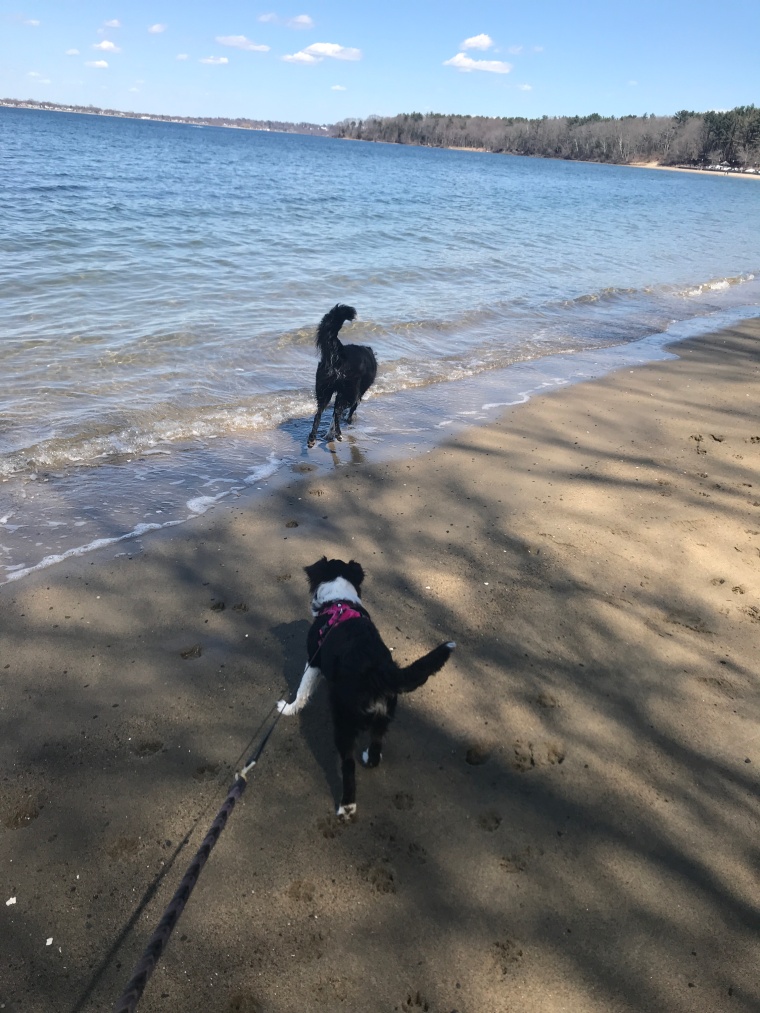
 Carolyn Close - Canine Fitness for Life